For years, “responsible supply chain” talk about Asia sounded like something imported. Brands in Europe and North America set the tone. Factories in Asia responded. Audits travelled east. Expectations felt external.
That picture is changing. Across Asia-Pacific, governments, stock exchanges, industry groups, and large domestic companies are building their own approaches. Some are still voluntary. Some sit inside disclosure rules rather than hard due diligence duties. Yet the direction is clear: the region is moving from “responding to buyers” to “setting the rules of the game”.
This is not just about values or image. It is about market access, competitiveness, and control over how global requirements get interpreted locally.
Asia is no longer only the “factory floor” in the global debate
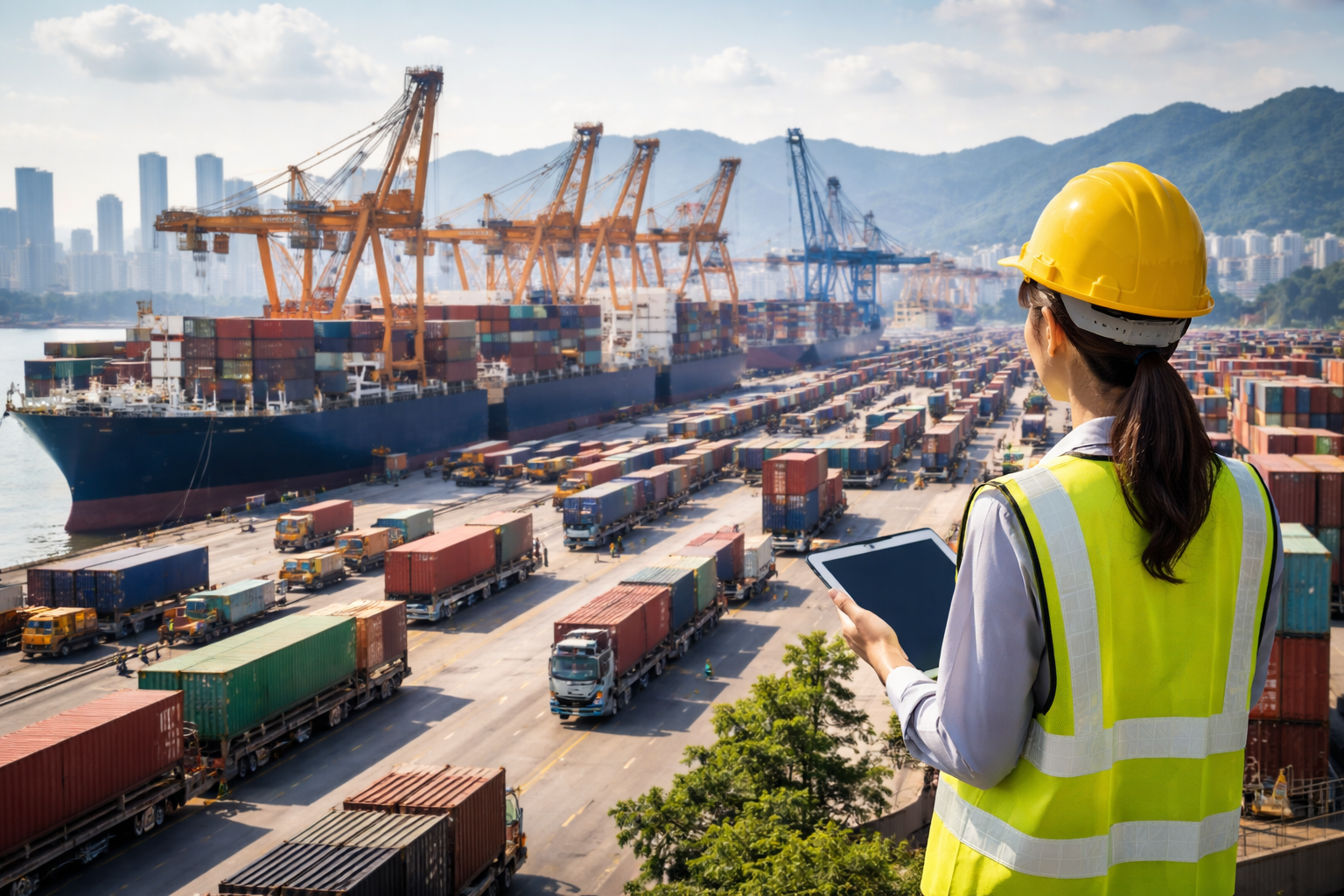
Asia-Pacific sits at the centre of global manufacturing. That gives the region two advantages that are often underestimated.
First, it sees the practical limits of policy ideas earlier than anyone else. When a regulation assumes perfect traceability, or cost-free worker remediation, it is Asian producers who must make it real. That reality check matters.
Second, Asia has a growing base of homegrown multinationals. Their supply chains are not only export-facing. They are regional and domestic too. These firms face investor and consumer scrutiny in their own markets, and they carry reputational risk in the same way as Western brands.
So the incentives are changing. More actors in Asia now have skin in the game.
Rules in the West are pushing Asia, but Asia is starting to shape the response
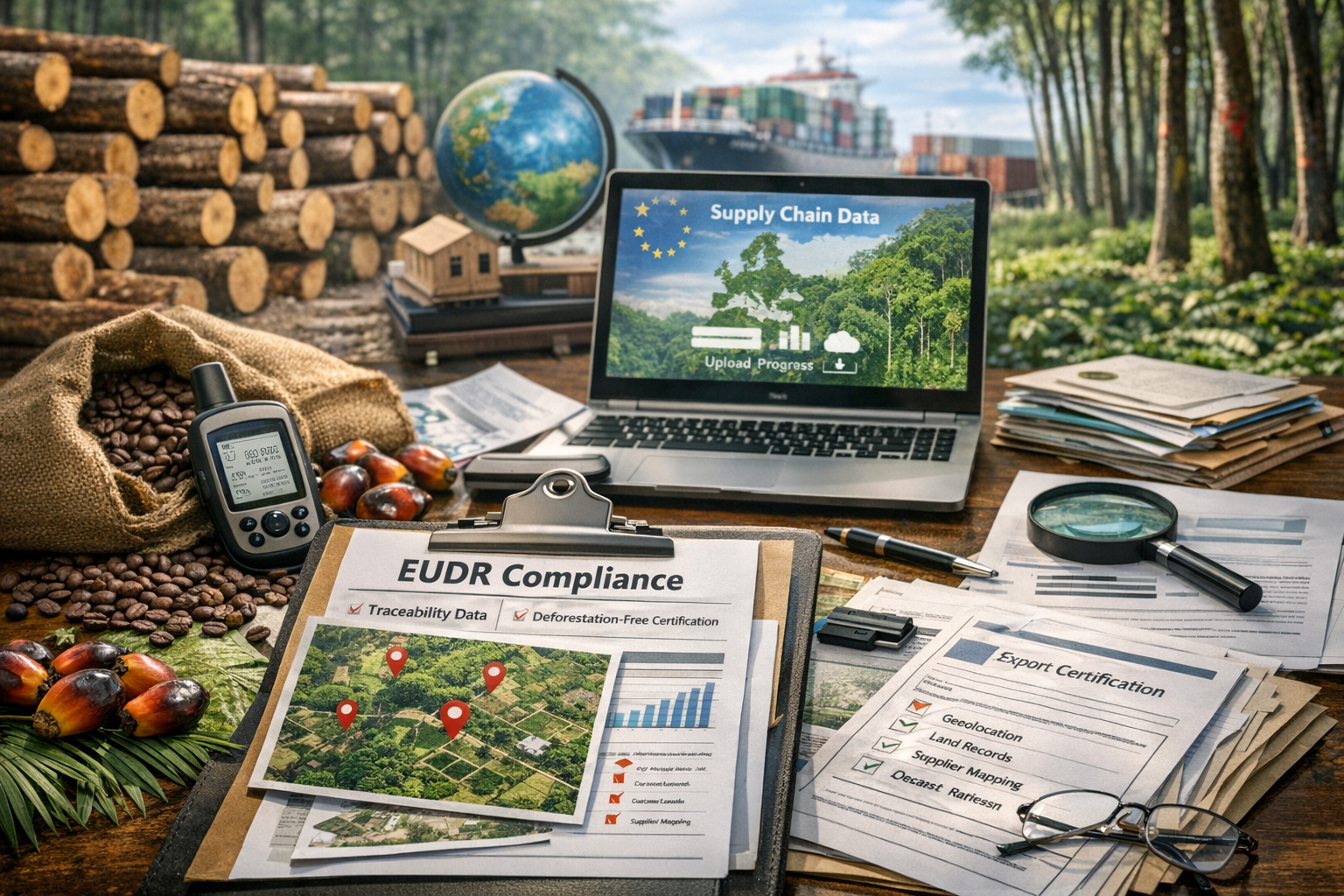
EU measures such as the EU Deforestation Regulation have set concrete dates and penalties that force supply chain changes well beyond Europe. The regulation entered into force in 2023, with compliance deadlines that phase in from late 2024 and 2025 depending on company type.
That external push is real. Yet the more interesting shift is that Asian governments and institutions are building frameworks that are designed for their own markets, while still staying interoperable with global expectations.
Japan is a good example of a “soft law” route that still shapes company behaviour. The Ministry of Economy, Trade and Industry issued guidelines on respecting human rights in responsible supply chains and linked them to UNGPs, OECD guidance, and the ILO MNE Declaration. The guidelines also reference Japan’s National Action Plan on Business and Human Rights.
China is moving quickly on sustainability disclosure infrastructure. In April 2024, China’s three stock exchanges issued corporate sustainability reporting guidelines, which took effect from 1 May 2024. Separately, China’s Ministry of Finance released an exposure draft for Sustainability Disclosure Standards for Business Enterprises in May 2024, signalling a national system direction.
South Korea has seen renewed legislative attempts on mandatory human rights and environmental due diligence. In 2025, commentary around a reintroduced due diligence bill described requirements for in-scope companies to establish a due diligence system that covers business operations and supply chains.
Taken together, these moves show a region building its own toolbox: guidance, disclosure architecture, and, in some places, draft legislation. It is not one model. It is a portfolio.
Why the momentum is real this time
Investor and listing pressure is rising inside Asia
A decade ago, many Asian firms treated sustainability as a Western client request. Now, they face demands from domestic and regional capital markets. Stock exchange guidance and national disclosure standards pull the issue closer to core governance and financial reporting. China’s recent exchange guidance and national draft standards are part of this wider trend.
Once reporting is embedded in capital market infrastructure, it becomes harder to dismiss as “CSR work”.
Export competitiveness now depends on proof, not promises
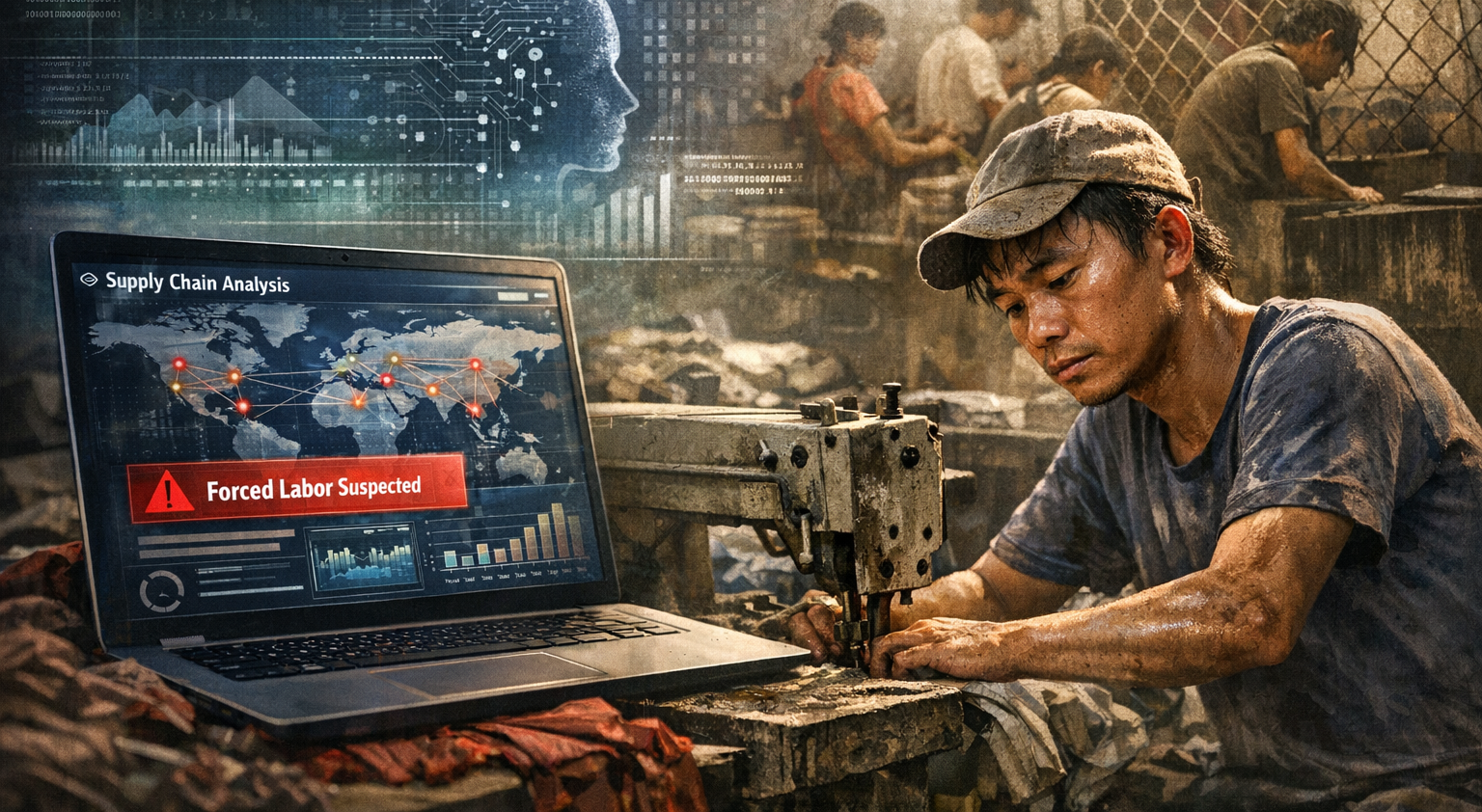
Many trade-facing sectors now live under a “show me” standard. Buyers ask for evidence on recruitment practices, wages, overtime controls, subcontracting, environmental compliance, and traceability. The bar keeps rising because companies want defensible records, not narratives.
That is why topics such as assurance, data quality, and chain-of-custody design are moving from niche concerns to board-level issues. You can see this shift even in advisory and platform messaging focused on APAC reporting and assurance trends.
Local policy is catching up to local risk
Asia-Pacific governments have their own reasons to act. Labour risks create social tensions. Environmental incidents create public health costs. Extreme weather disrupts production and infrastructure. These pressures are domestic, not imported.
So the business case is no longer only “keep Western customers happy”. It is also “keep operations stable and insurable”.
The “standards economy” is building in the region
Asia is now a growth market for standards bodies, audit and assurance services, training providers, and digital traceability firms. This ecosystem creates its own momentum. When capability exists locally, adoption costs fall. Local experts and industry groups can also reframe what “good practice” looks like in a way that fits local conditions.
How Asia could move from catching up to leading
Asia can lead in three practical ways, and none requires waiting for a perfect law.
1) Asia can set the global benchmark for workable due diligence
A common weakness of supply chain regulation is the gap between legal language and factory reality. Asian actors have the strongest position to define what is feasible at scale.
That includes how to run recruitment fee remediation without collapsing labour supply, how to manage subcontracting without driving it underground, and how to design grievance channels that workers trust. If Asia codifies credible practice in these areas, others will copy it.
2) Asia can lead on interoperability
Right now, companies drown in overlapping questionnaires, audits, and reporting templates. The next frontier is alignment: fewer duplicative asks, more comparable data, and clearer assurance expectations.
China’s move towards a national disclosure framework, and Japan’s alignment with UNGPs and OECD guidance, show a direction that can support interoperability. If more Asian markets align their baseline concepts, Asia can become the place where “one set of controls” satisfies multiple audiences.
3) Asia can lead on credible supply chain data
Responsible supply chains now depend on data integrity. Not more dashboards, but stronger underlying records.
Asia has a real advantage here because much of the underlying operational data sits with factories, agents, logistics providers, and upstream processors in the region. When Asian firms invest in clean data and verification trails, they do more than comply. They can negotiate from strength with buyers, lenders, and insurers.
The risks and what would slow progress
Momentum does not guarantee success. There are real constraints.
Some approaches will remain voluntary for longer than advocates hope. Enforcement capacity varies across countries. Smaller firms can struggle with cost. Political sensitivity around labour organising and grievance systems differs widely.
There is also a credibility risk: if “responsible supply chain” becomes a marketing label with weak verification, the market will react with tougher assurance demands and more scepticism. That is why transparency and evidence matter.
What to watch next
The biggest signal will not be another slogan. It will be the hard, boring stuff.
You will see more stock exchange and regulator guidance that makes sustainability information comparable and auditable, rather than narrative. China’s recent direction points that way.
You will see more Asian legislative proposals that mirror due diligence logic, even if timelines remain uncertain. South Korea’s renewed bill activity is one indicator.
You will also see more Asian buyers demanding the same standards from their own supply chains, not only from suppliers serving Western markets. That is when the shift becomes structural.
A simple conclusion
Asia-Pacific is stepping up because it must. The region is exposed to global regulation, it holds the operational reality of supply chains, and it now has domestic market reasons to act. As disclosure systems mature and practical due diligence methods spread, Asia has a chance to become the place where responsible supply chain practice is not only discussed, but defined in a way that is workable at scale.
If that happens, “leading” will not mean exporting a slogan. It will mean exporting methods that actually work.