Blog
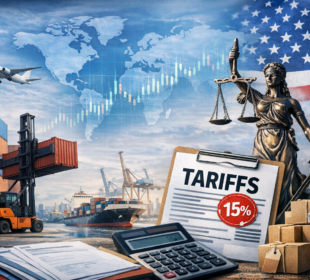
After the court order: Trump’s tariffs reset, and APAC supply chains are back in the ...
The US tariff regime changed in form, not in intent, after the US Supreme Court ruled on 20 February 2026 that the ...The Scope 3 Challenge: Managing Supply Chain Emissions in 2026
For sustainability professionals across the Asia Pacific, the focus has shifted sharply from commitments to compliance. For most global brands, over 80% ...EUDR’s extra year is really a data story
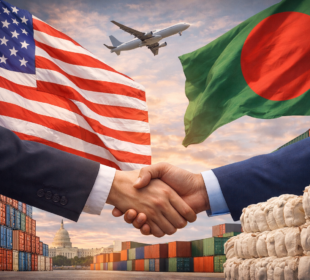
The European Union has pushed back the start of the EU Deforestation Regulation (EUDR) again. The new start dates are 30 December ...US–Bangladesh reciprocal trade deal gives apparel a targeted tariff break
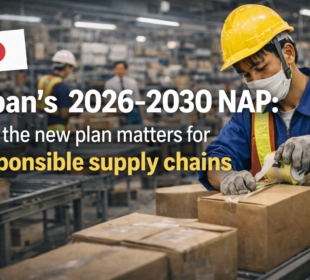
On 9 February 2026, Bangladesh and the United States announced a new Agreement on Reciprocal Trade that resets the baseline “reciprocal” tariff ...Japan’s 2026–2030 NAP: why the new plan matters for responsible supply chains
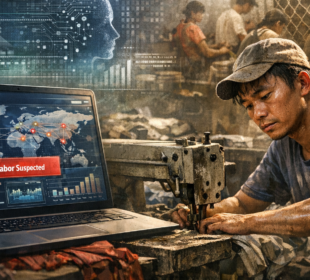
Japan closed its first National Action Plan (NAP) on Business and Human Rights (2020–2025) with a clear message: the “business and human ...Can algorithms really spot forced labour, or are we just automating our blind spots?
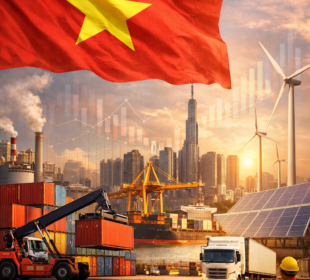
Responsible supply chain is no longer a nice-to-have. It is becoming a compliance requirement. The EU’s Corporate Sustainability Due Diligence Directive (CSDDD) ...Vietnam’s next five-year plan is taking shape, and supply chains should pay attention
Vietnam’s new five-year socio-economic direction for 2026–2030 is now clearer than it was a few months ago. Two signals matter most. First, ...Timeline: New Zealand’s Modern Slavery & Worker Exploitation Legislation
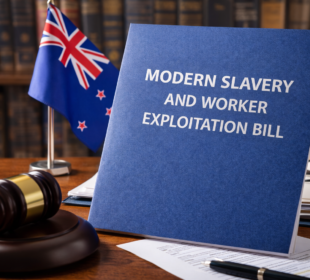
New Zealand is moving towards a mandatory modern slavery reporting regime through the proposed Modern Slavery and Worker Exploitation Bill, which has ...New Zealand’s Modern Slavery Bill: what it is, how it may work, and what it ...
New Zealand is moving towards a modern slavery reporting regime through a proposed Modern Slavery and Worker Exploitation Bill, lodged with rare ...After the EU “Omnibus” on CSRD and CSDDD, should Asian businesses hold off?
The short answer is no. The EU’s Omnibus package changes timelines and narrows parts of the burden, but it does not remove ...




The Asia Pacific Responsible Supply Chain Desk serves as a strategic resource hub dedicated to helping businesses navigate complex regional regulations while integrating ethical labor practices and environmental sustainability into their core operations.